Nutrition

Discover how proper nutrition can enhance your health and vitality. Browse our articles for expert advice on balanced eating and essential nutrients.

What is Nutrition?

Nutrition is the process of providing your body with the right foods and nutrients to keep it healthy and functioning properly. Everything you eat and drink plays a role in fueling your body, giving you energy, and supporting vital processes like digestion, growth, and immunity. A balanced diet includes a variety of nutrients—such as carbohydrates, proteins, fats, vitamins, and minerals—that work together to keep your body strong and your mind sharp. Eating well isn’t about strict rules or cutting out entire food groups; it’s about making choices that nourish your body and help you feel your best.

Good nutrition goes beyond just what’s on your plate—it affects how you feel every day. Eating a mix of whole foods, like fruits, vegetables, lean proteins, and healthy fats, can improve your energy levels, mood, and overall well-being. On the other hand, too much processed food, sugar, and unhealthy fats can lead to issues like low energy, weight gain, and long-term health problems. The key is balance and variety, making small, sustainable changes that fit into your lifestyle. When you give your body what it needs, it rewards you with better health, more energy, and a stronger immune system.

Recipes

Mediterranean diet

Your browser does not support SVG
30 minutes
Your browser does not support SVG
6 persons

Coconut Shrimp and Pea Rice Salad

Vegan diet

Your browser does not support SVG
15 minutes
Your browser does not support SVG
6 persons

Guava Soup

Mediterranean diet

Your browser does not support SVG
35 minutes
Your browser does not support SVG
4 persons

Roasted Sea Bass with Lemon-Cilantro Dressing

Nutrition

Nutrition

The Ins and Outs of Intuitive Eating – Developing a Healthy ‘Rapport’ With Food

Nutrition

Exploring the Carnivore Diet

Nutrition

The Ketogenic Diet: What you need to know

Vitamins and Minerals

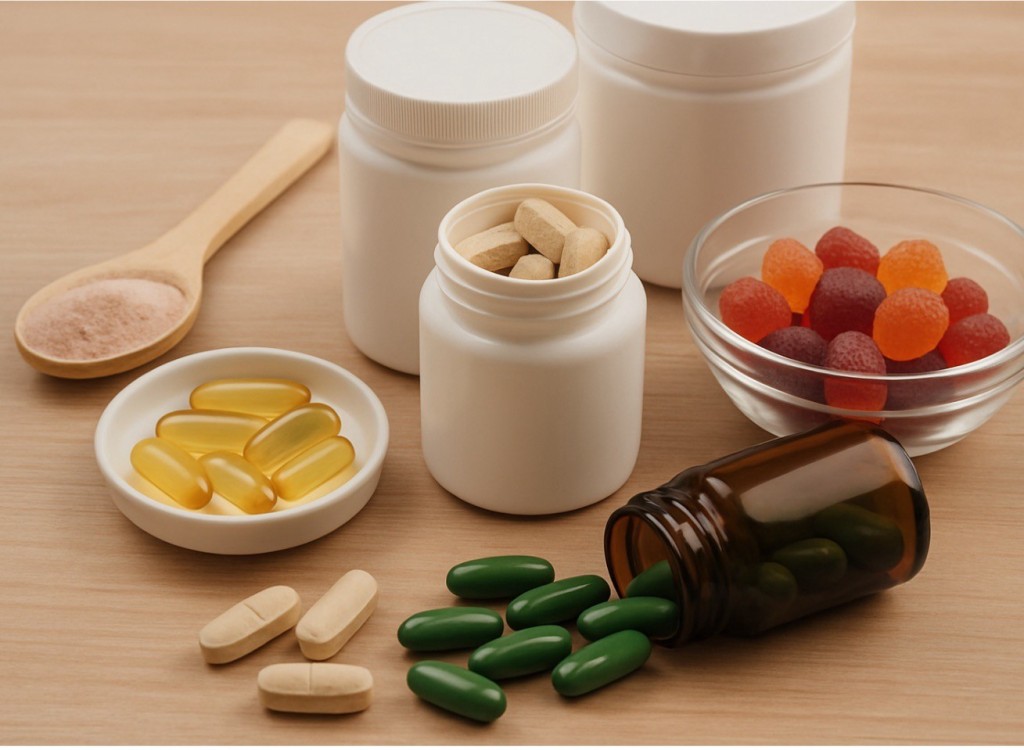
Beyond the Buzz and Trends – Choosing Your Food Supplements

They flood your social media feeds and have converted at least one person you know. Every once in a while, you stumble upon a new food supplement that is set on changing your life. There’s surely a safe place to land in this world of pills, gummies, and powders, somewhere between the loud marketing campaigns and genuine health benefits. 

Let’s cut through the noise and have an honest talk about the ones you actually need to complement your diet and optimize your health.

read more

The Power of Vitamin D: Essential for Women's Health

Vitamin D is often called the "sunshine vitamin" because the body produces it when exposed to sunlight. It plays a crucial role in overall health, particularly for women, by supporting strong bones, boosting the immune system, and regulating mood. One of its most important functions is helping the body absorb calcium, which is essential for maintaining bone density and preventing osteoporosis—a condition that affects women more than men, especially after menopause. Additionally, Vitamin D has been linked to reduced risks of heart disease, certain cancers, and autoimmune disorders.

read more

The Power of Vitamin E: Essential for Women’s Health

Vitamin E is a vital nutrient that plays a significant role in maintaining overall health, particularly for women. As a powerful antioxidant, it helps protect cells from oxidative stress, which contributes to aging and various diseases. It also supports the immune system, promotes healthy skin and hair, and plays a role in balancing hormones. Additionally, Vitamin E may help reduce the risk of heart disease by improving blood circulation and preventing the oxidation of bad cholesterol (LDL).

read more

Special Diet

What food do vegetarians eat?

The vegetarian diet includes only plant-based foods, such as fruits, vegetables, beans, grains, nuts, and seeds. People who follow a vegetarian diet do not consume any animal products.The vegetarian diet includes only plant-based foods, such as fruits, vegetables, beans, grains, nuts, and seeds. People who follow a vegetarian diet do not consume any animal products.The vegetarian diet includes only plant-based foods, such as fruits, vegetables, beans, grains, nuts, and seeds. People who follow a vegetarian diet do not consume any animal products.The vegetarian diet includes only plant-based foods, such as fruits, vegetables, beans, grains, nuts, and seeds. People who follow a vegetarian diet do not consume any animal products.The vegetarian diet includes only plant-based foods, such as fruits, vegetables, beans, grains, nuts, and seeds. People who follow a vegetarian diet do not consume any animal products.The vegetarian diet includes only plant-based foods, such as fruits, vegetables, beans, grains, nuts, and seeds. People who follow a vegetarian diet do not consume any animal products.


What is gluten, and what are its benefits and harms?

Gluten is a type of protein found in wheat and some other grains, such as barley. Generally, gluten does not have health benefits, so it is perfectly fine to consume gluten-free baked goods.Gluten is a type of protein found in wheat and some other grains, such as barley. Generally, gluten does not have health benefits, so it is perfectly fine to consume gluten-free baked goods.Gluten is a type of protein found in wheat and some other grains, such as barley. Generally, gluten does not have health benefits, so it is perfectly fine to consume gluten-free baked goods.Gluten is a type of protein found in wheat and some other grains, such as barley. Generally, gluten does not have health benefits, so it is perfectly fine to consume gluten-free baked goods.