


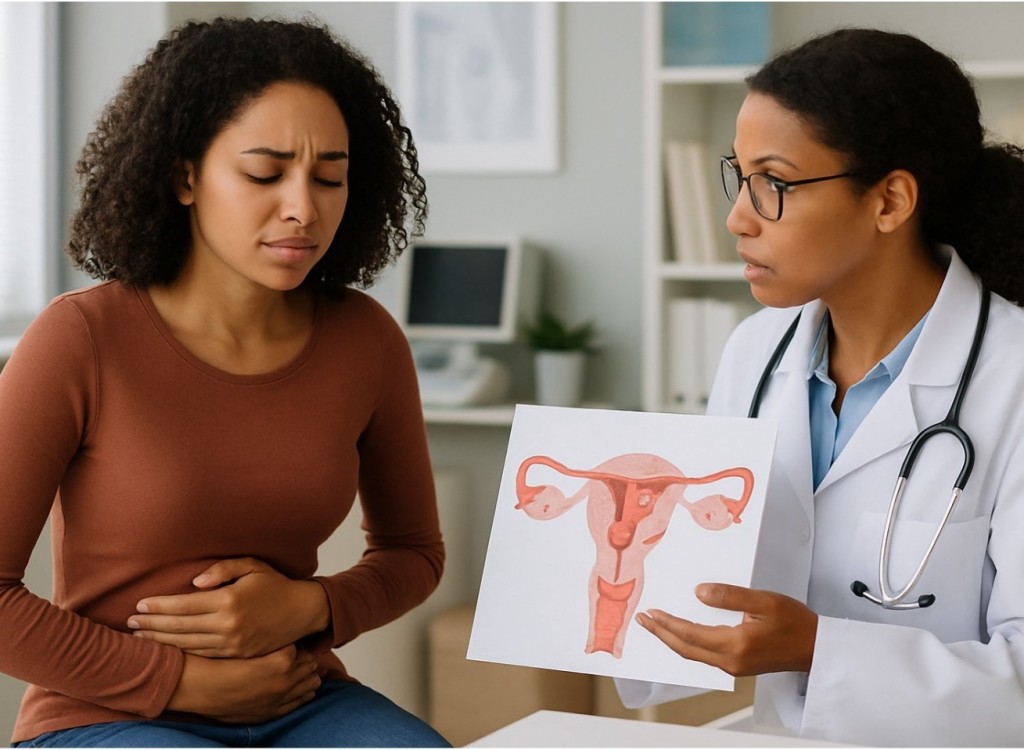
From Symptoms to Solutions: Understanding Uterine Fibroids
The term “uterine fibroid” designates non-cancerous growths in the uterus, a common condition affecting more and more women in their childbearing years. Also known as “leiomyomas” or “myomas”, these benign tumors are made of muscle and fibrous tissue, and develop within or on the uterine wall.
From asymptomatic conditions to significant discomfort, symptoms can widely vary—hence the many different ways to approach and effectively treat this medical condition.
Recognizing the Symptoms
In many cases, women are not aware they have fibroids, because they simply develop no symptoms. When they do occur, the most prevalent signs of fibroid growth are:
- Painful, prolonged periods, heavy menstrual bleeding, and sometimes blood clots
- Pelvic pressure and cramping
- Lower back pain.
Other issues can emerge depending on the fibroid’s size and location, which affect the kind of pressure it exerts on specific organs. These can include difficulty emptying the bladder, frequent urination, constipation, and pain during intercourse.
Detecting and Confirming Fibroid Development
Routine pelvic exams are the best and simplest way to detect any growths. After this initial exam, further confirmation can be obtained through imaging techniques that assess the fibroid’s presence, size, and precise location. diagnostic tools range from ultrasound to other methods, such as MRI, which can offer a more detailed view.
Exploring Treatment Options
When fibroids are small and not causing any significant pain, they can simply be monitored during routine exams without the need to take any action. In case of mild symptoms, common over-the-counter pain relievers can suffice.
If you’re suffering from heavy bleeding and menstrual pain, your healthcare provider might suggest hormonal treatments, such as birth control pills, an IUD, or other medications.
More serious cases might require minimally invasive procedures, such as:
- Uterine Fibroid Embolization (UFE): a procedure that shrinks the fibroid by blocking its blood supply.
- Radiofrequency Ablation (RFA): a procedure that destroys the fibroid tissue using heat generated by radiofrequency energy.
- Myomectomy: a procedure that removes the fibroid while keeping the uterus intact; the approach depends on the size and location of the fibroid.
The surgical removal of the uterus, known as hysterectomy, has long been the only proven cure for fibroid to be permanent and definitive. However, this major surgery comes with potential risks and prevents future pregnancies. It is thus considered when other treatments and procedures have failed.
Whether you shrink, zap, or starve them, the best way to treat fibroids depends on the symptoms you are facing, fibroid characteristics, and your personal health and life goals. As always, it is crucial to have open discussions with your healthcare provider to get a better assessment of your situation and set a treatment plan that takes your specific needs into consideration. Also, since living with fibroid symptoms is not a necessity, avoid skipping your routine checkups.
